
The large booking platforms list broadly the same hotels at broadly the same rates, because most hotels distribute through all of them and rate parity terms stop a hotel publicly undercutting them.
So the question is rarely “who is cheapest”. It is which one shows you the real total soonest, which cancellation terms you are actually agreeing to, where its inventory is genuinely better, and who answers the phone when the room is not there.
A disclosure before the verdict: this site will earn a commission on Trip.com bookings once affiliate links go live. It earns nothing today. That relationship is why Trip.com’s weaknesses are set out below at the same length as its strengths, and why the recommendation is split by region rather than pointed at one company. If you would rather not take our word for it, the criteria are stated before each verdict so you can apply them yourself.
The short answer
Booking.com for Europe and for the largest inventory anywhere, especially independent properties in smaller towns. Trip.com for Asia, and for rail. Agoda also for Asia, and worth checking against Trip.com on the same property. Expedia when bundling a flight with a hotel. Direct for anything where you might need flexibility, an upgrade, or a human being.
That last one is the underrated answer, and it is explained below.
Compare the total, not the rate
The biggest source of confusion is that platforms display tax and fees differently, and the setting is often adjustable and off by default.
Before comparing anything, switch every site to show totals including taxes and fees, then compare like with like. A rate that looks 12 percent cheaper often is not, once city tax, service charge and a resort fee land at the property.
This matters most on Agoda and Trip.com, where the default display varies by market and the headline can exclude taxes entirely.
Resort fees are the worst offender. They are charged at the hotel and platforms vary in how prominently they show them. A $180 room with a $45 nightly resort fee is a $225 room.
Cancellation terms matter more than price
“Free cancellation” is not one thing. It can mean until 24 hours before, until 48, until a date weeks out, or until a date already passed by the time you book. Non-refundable rates are typically 10 to 20 percent cheaper, which is a poor trade unless your plans are certain.
Filter for free cancellation first, then compare price. That is the only honest comparison.
Where each one is genuinely better
Booking.com
The deepest inventory by some distance, particularly for independent hotels, guesthouses and apartments in smaller European towns that the other platforms simply do not list. Pay-at-property on many rates, which keeps your money until you arrive.
Against it: an interface cluttered with urgency prompts, most of which are noise, and a support experience that varies enormously by property.
Trip.com
Strongest in Asia, where its hotel inventory, pricing and coverage of domestic chains are consistently better than the Western platforms. It is also the only major platform that books rail properly, covering Chinese, Japanese, Korean and European networks in one place, which is genuinely useful and almost unmatched. For Japan specifically, settle whether you need a rail pass at all before you book any of it.
Against it: Western hotel inventory is shallower than Booking.com’s, the default price display in some markets excludes taxes, and its customer service reputation is mixed. If something goes wrong with a European hotel booking, it is not the platform we would want to be arguing with.
Use it for Asia and for trains. For a guesthouse in rural Portugal, look elsewhere.
Agoda
Consistently competitive across Asia, sometimes with inventory or rates that do not appear elsewhere, and worth checking directly against Trip.com on the same property because the winner genuinely alternates.
Against it: the same tax-display problem, and a checkout that pushes hard on insurance and extras.
Expedia
Strongest where you are combining a flight and a hotel. A genuine package can beat the parts, and it may bring package protections that a split booking does not. See package vs booking it yourself for what those are worth, because they are worth more than most people assume.
Against it: hotel-only rates are rarely the best available.
Direct with the hotel
Rarely cheaper on the headline. Frequently better in substance: room assignment, upgrades, late checkout, loyalty credit, and a counterparty who is standing in front of you if something fails.
Many hotels will match a platform rate if you call and ask, because they keep the 15 to 20 percent commission instead of paying it.
Who fixes it when it goes wrong
This is where direct booking earns its keep.
Booked direct, you deal with the person at the desk and they have authority. Booked through a platform, the desk may say your contract is with the platform, and the platform may tell you to speak to the hotel. That is a bad conversation to have at midnight.
Platform guarantees exist and are often generous on paper. Whether they move fast enough to help at the moment you need them varies a great deal. What is consistent is that third-party bookings tend to be first in line when a hotel walks guests, because they are the cheapest bookings for the hotel to lose. Paying a platform rather than the supplier can also break the chain Section 75 depends on, which is the protection you fall back on if the booking fails outright.
See the hotel gave your room away for what to do when it happens.
Best price guarantees
Most platforms advertise one. They are usually real but narrowly drawn: same hotel, same room type, same dates, same cancellation terms, same occupancy, found within a short window, on a publicly bookable site.
That excludes most cases where you actually found something cheaper, such as a member rate or a package. Treat it as a small bonus, not a reason to book.
How to book, in order
- Search Booking.com for inventory, to see what exists. In Asia, search Trip.com and Agoda alongside it.
- Switch on prices including taxes and fees. Filter for free cancellation.
- Check the same property on one other platform and on the hotel’s own site.
- If direct is within a few percent, book direct.
- Pay by credit card, which gives you a chargeback route if the room is not provided.
- Reconfirm 24 to 48 hours ahead by email, so there is a record.
Frequently asked questions
Are platform prices really the same? Often close, because of rate parity terms in hotel distribution contracts. Real differences come from member rates, package pricing, or a market where one platform has genuinely stronger inventory, which is the Asia case.
Is Trip.com legitimate? Yes. It is part of Trip.com Group, one of the largest travel companies in the world and the parent of Skyscanner. Its Asian inventory and rail booking are excellent. Its Western customer service is the part people complain about.
Does booking direct actually get a better room? No guarantee, but the hotel controls room assignment and has more reason to look after a guest whose booking cost it no commission.
Is a non-refundable rate ever worth it? Only when the trip is genuinely fixed. Saving 10 to 20 percent is poor compensation for losing the whole booking.
What about loyalty schemes? Platform schemes give a small percentage back. Hotel schemes give upgrades, late checkout and free nights, and most chains award neither points nor status on third-party bookings.
Sources: the published terms, fee-display settings and cancellation policies of the platforms named, and the rate parity provisions typical of hotel distribution contracts.
Researched from published terms and checked August 2026. Inventory, pricing and policies change often, so confirm what is shown at the moment you book. General information, not advice on a specific booking.
Commercial disclosure: Rooms & Rides expects to earn commission on Trip.com bookings. It earns nothing from any company named here today. See how we make money.
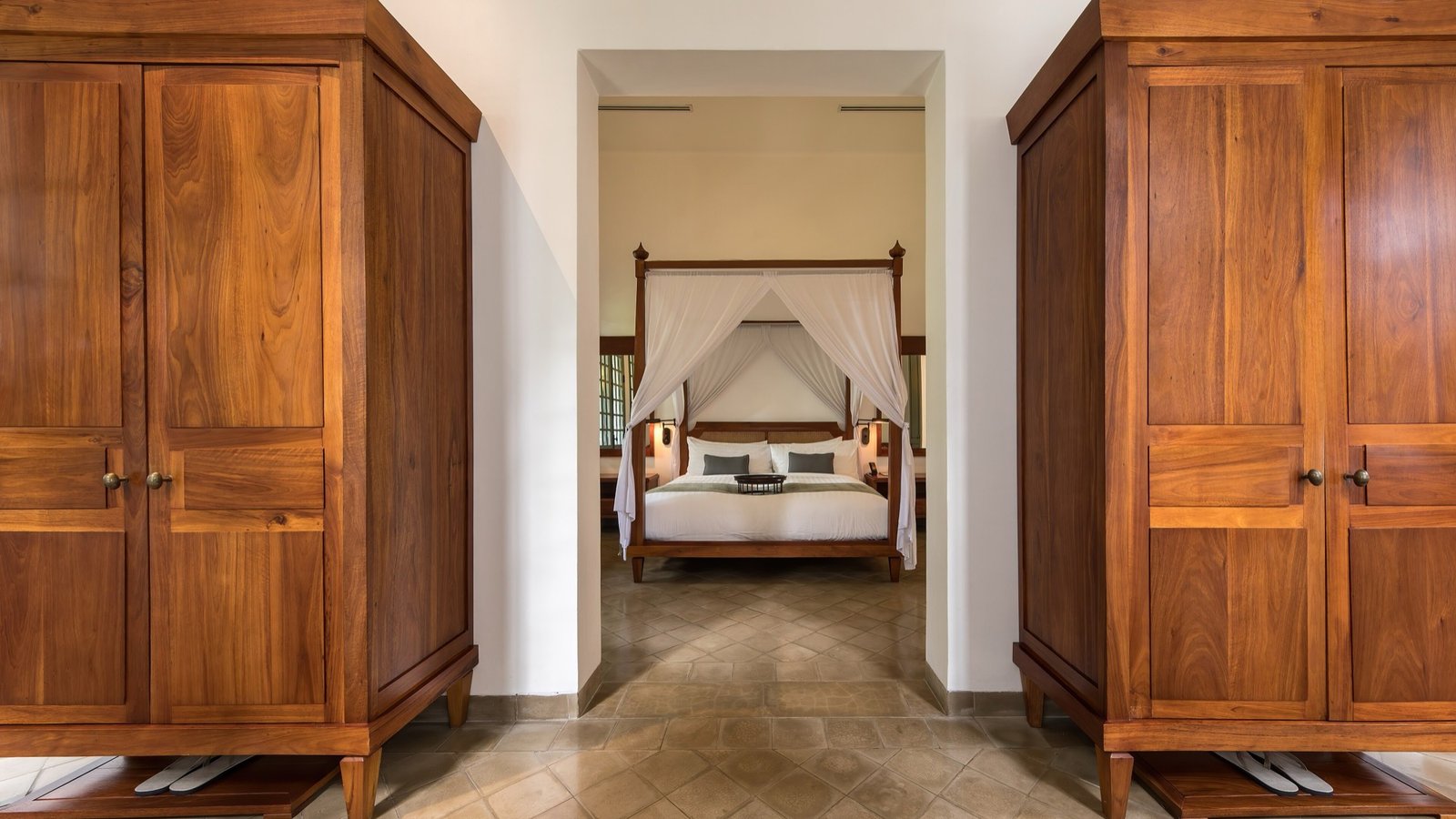
Hotel suite photograph, CC BY-SA 4.0, via Wikimedia Commons.

